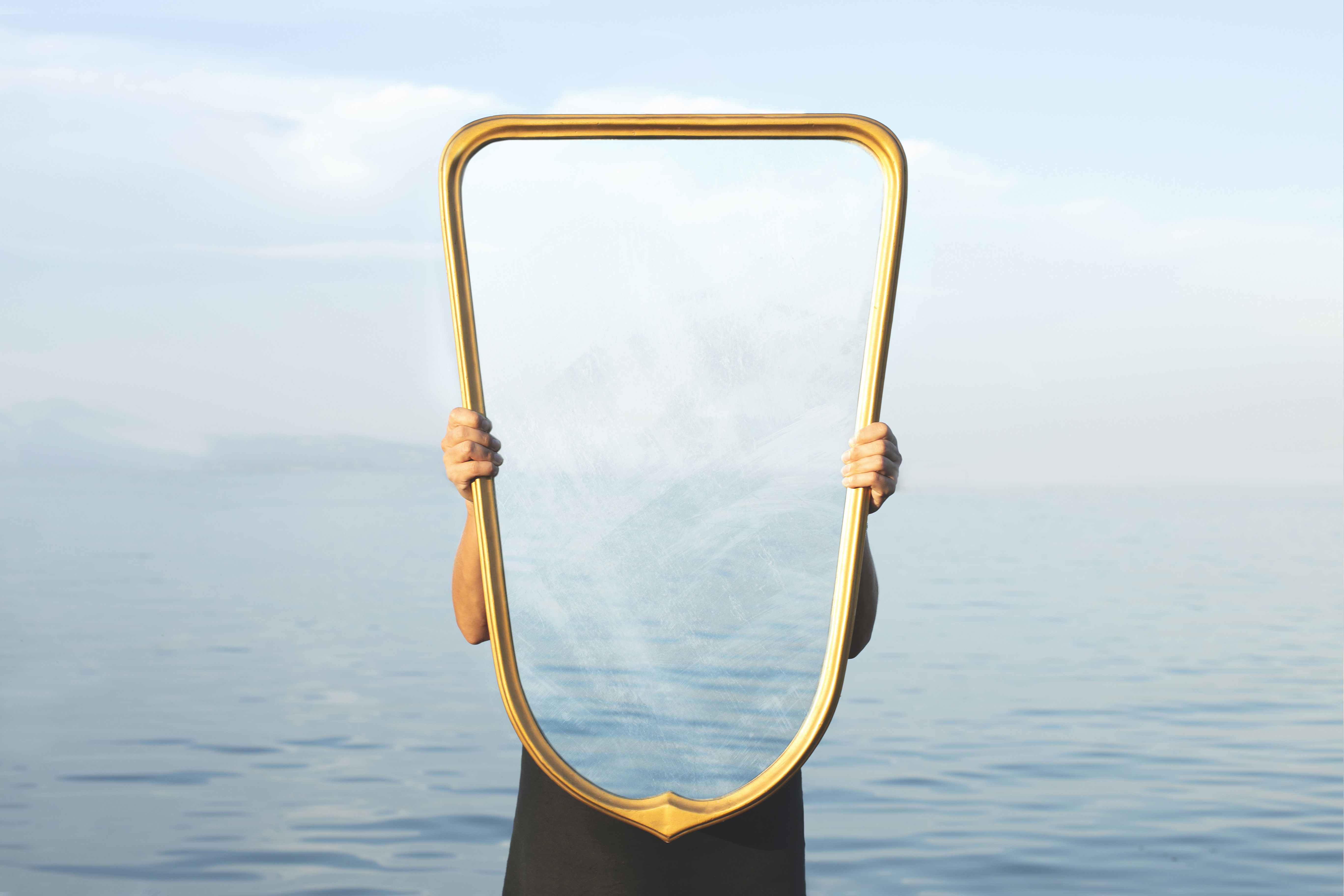
The stories we believe: how limiting beliefs shape our lives
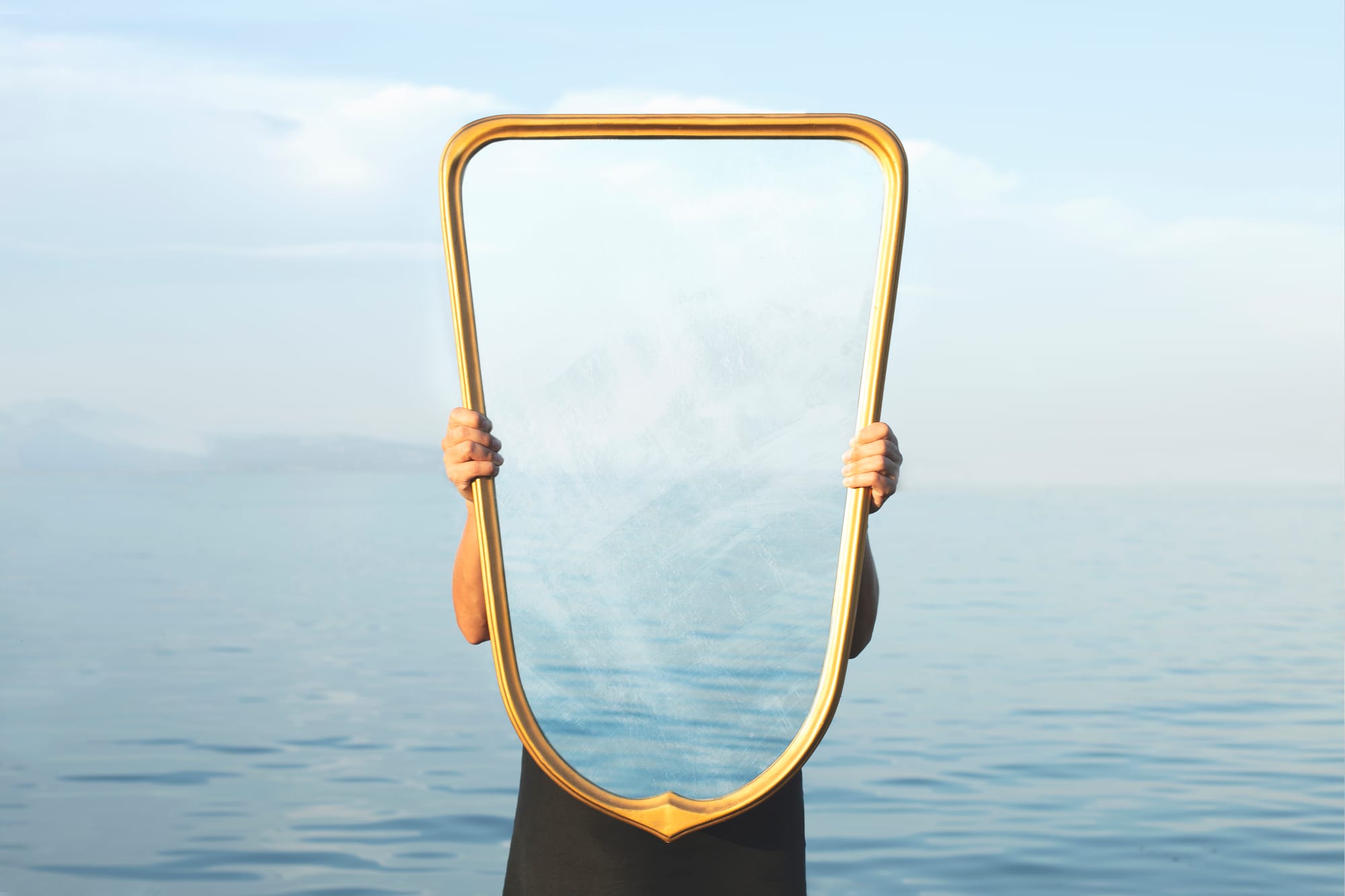
Each of us carries an invisible inheritance — a collection of beliefs, perceptions, and internal messages that began forming in childhood.These beliefs, often called limiting beliefs, can quietly influence our decisions, relationships, behaviors, and ultimately the direction of our lives.But an important question remains:
Are these beliefs truly ours, or were they shaped by the environment in which we grew up?
As we move from childhood into adolescence and adulthood, we begin navigating an increasingly complex world. The experiences we have early in life often leave deep emotional imprints, shaping the way we see ourselves and relate to others.What we come to believe about ourselves becomes part of our identity.Many limiting beliefs are rooted in childhood experiences and in the messages we repeatedly received from parents, teachers, siblings, or other important figures in our lives.At some point, most of us have heard phrases such as:
- “You can’t do that.”
- “You’re not good enough.”
- “You’re too sensitive.”
- “You’ll never succeed.”
Over time, these messages can become internalized, turning into unconscious beliefs about our worth, abilities, and potential.Without realising it, we may begin living according to those beliefs — avoiding opportunities, doubting ourselves, fearing failure, or feeling undeserving of love, success, or happiness.Yet limiting beliefs are not permanent truths.They are learned patterns, not fixed identities.Although they may strongly influence the choices we make, they do not define who we truly are, nor do they determine what is possible for us.The first step toward transforming limiting beliefs is awareness.Self-reflection allows us to question the beliefs we carry and understand where they come from:
- Why do I believe this about myself?
- Is this belief truly mine?
- Does this belief still serve me today?
- What experiences shaped this perspective?
As we begin exploring these questions, we often discover that some of our beliefs no longer reflect who we are today, but rather who we once needed to be in order to adapt, belong, or feel safe.This process can sometimes feel uncomfortable, but it is also deeply liberating.With the support of a psychologist or therapist, limiting beliefs can be explored with compassion and gradually reshaped in healthier and more empowering ways.When we begin challenging the stories that have held us back, new possibilities emerge. Confidence grows, relationships improve, and we create space for emotional growth and personal transformation.Understanding that our beliefs were shaped by past experiences — but do not have to define our future — can become a powerful step toward healing, self-awareness, and lasting change.